Category: Power Wheelchair
Posted by 2025-12-18 11:12
hoyer lift for adults
The Complete Guide to Hoyer Lifts for Adults: Guardians of Safety, Dignity, and Independence
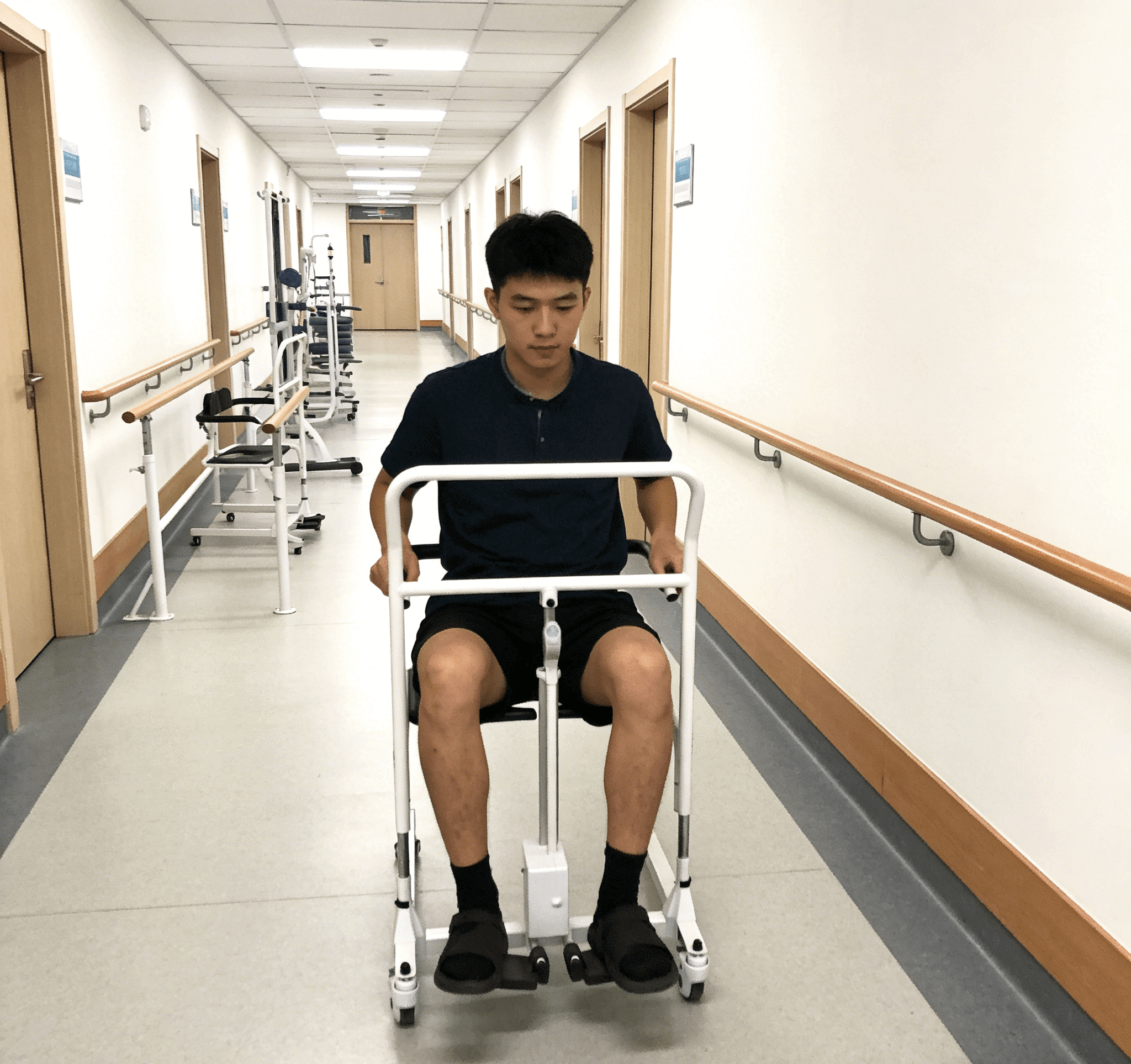
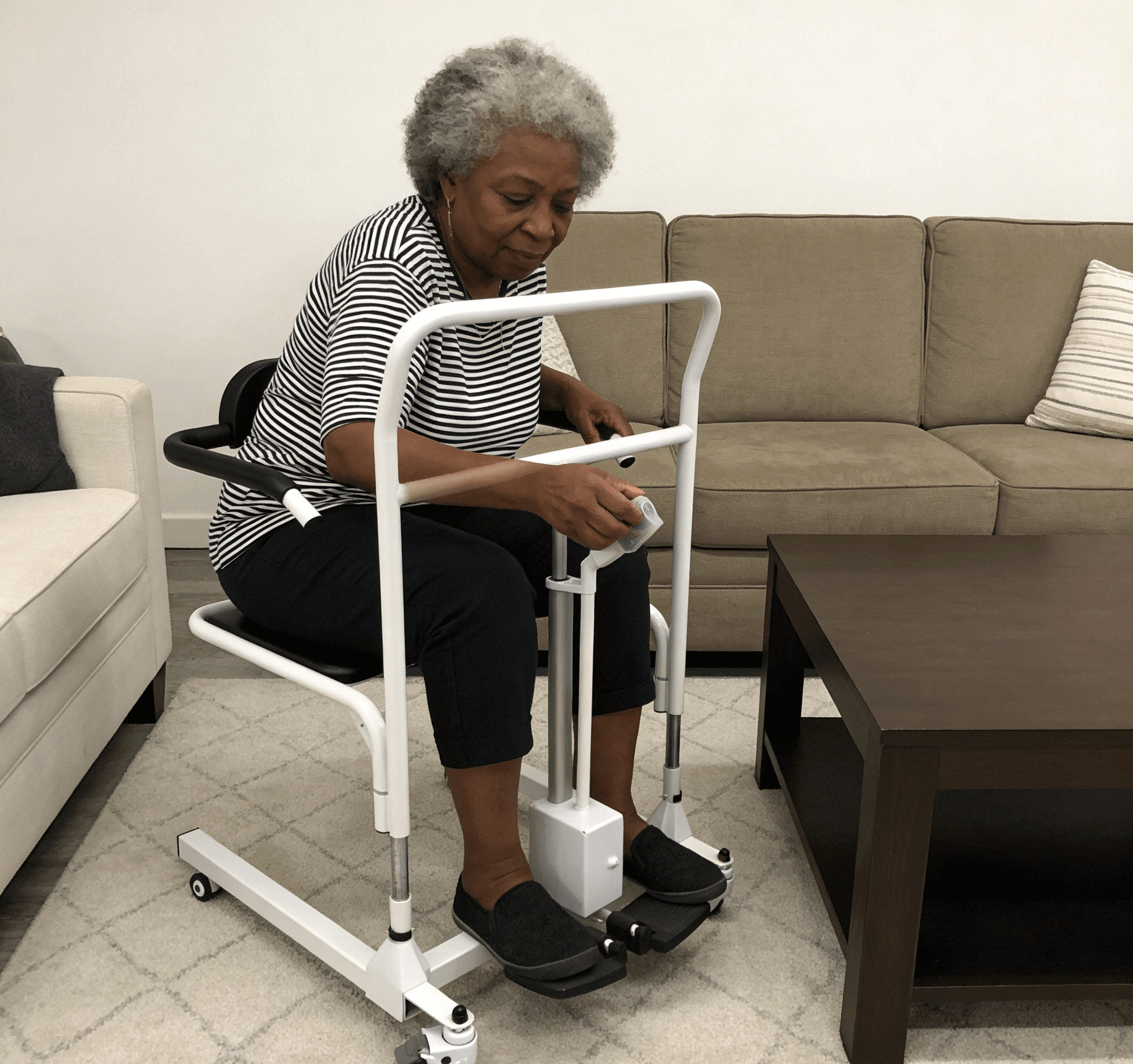
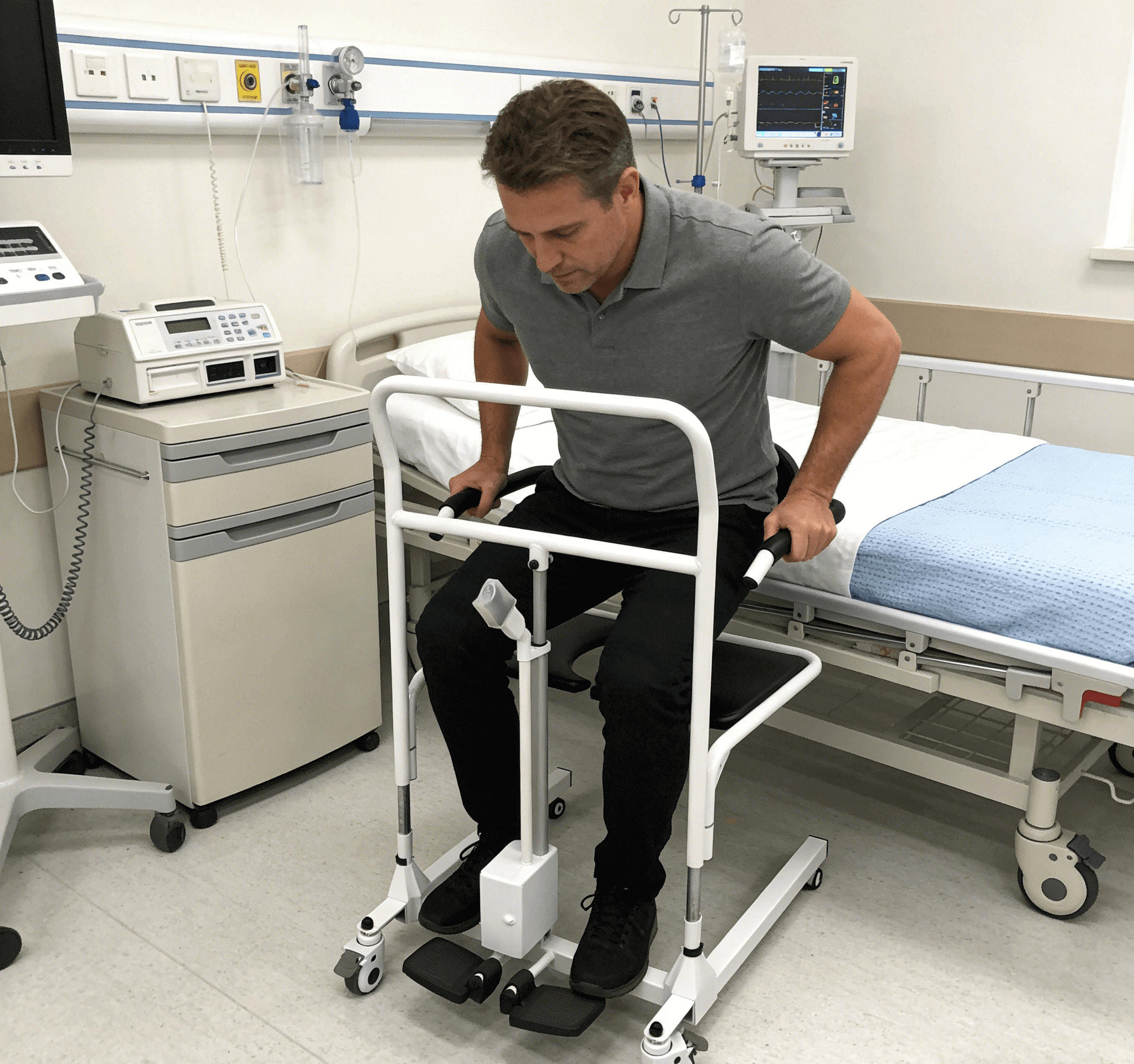
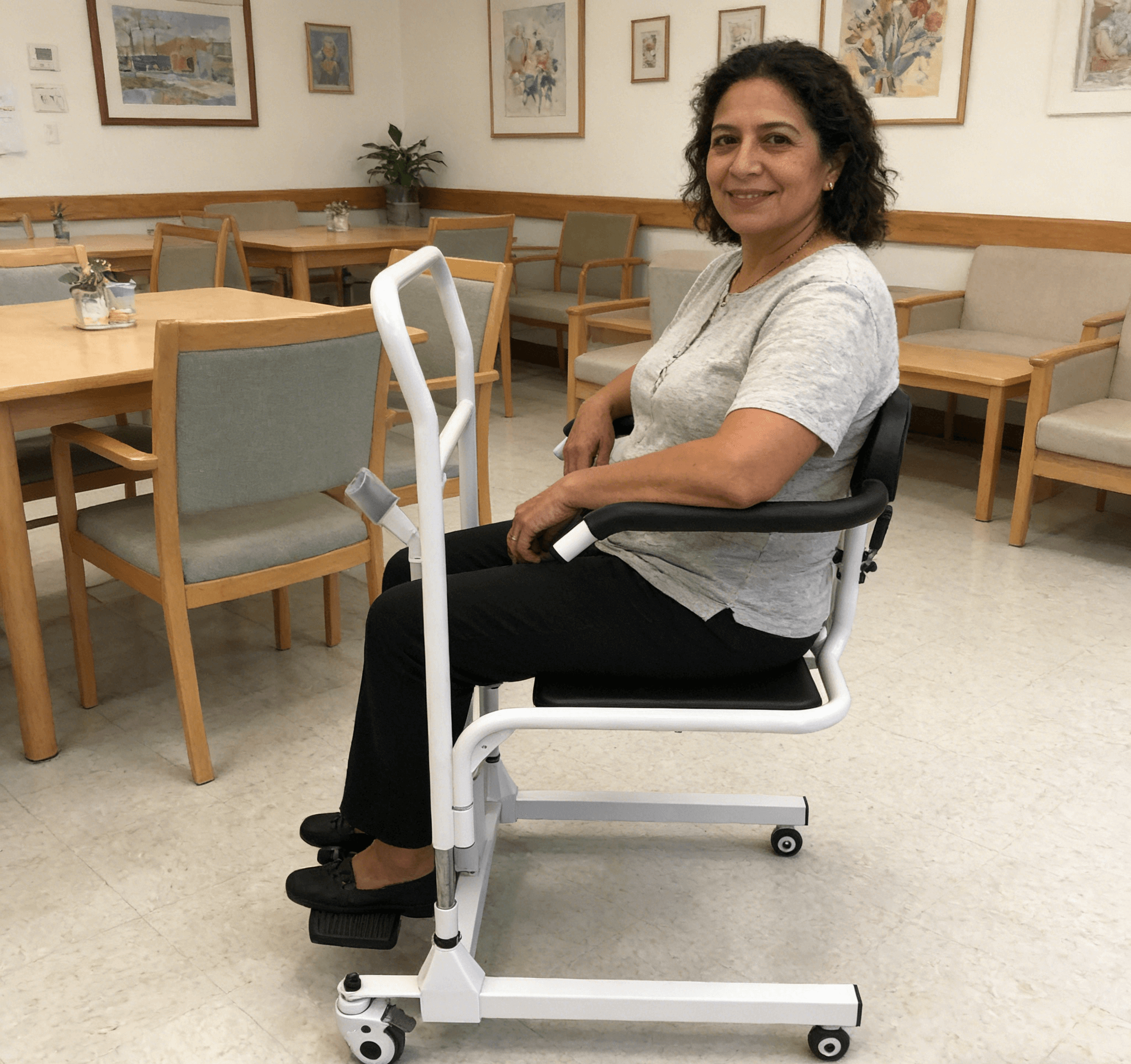
For adults with mobility impairments caused by aging, illness, injury, or disability, a Hoyer lift (medical lift) is far more than just a piece of equipment. It serves as the cornerstone for maintaining safety, safeguarding dignity, and achieving a certain degree of independent living. Selecting and using a lift for adults requires considering their unique physical, psychological, and environmental needs.
Why Do Adults Need a Hoyer Lift?
Adults typically use Hoyer lifts due to one or more of the following circumstances:
Progressive Diseases: Conditions such as multiple sclerosis, amyotrophic lateral sclerosis (ALS), Parkinson’s disease, and advanced arthritis, which cause gradual loss of muscle strength, balance, or coordination.
Sudden Incidents: Events like spinal cord injuries, strokes, or major orthopedic surgeries (e.g., hip replacement), leading to temporary or permanent mobility limitations.
Age-Related Frailty: Natural decline in physical functions with aging, making transfers difficult and risky.
Obesity: To provide a safe and feasible transfer solution for adults with larger body sizes.
Key Considerations for Choosing a Hoyer Lift for Adults
1. Weight Capacity: The First Line of Safety
This is the most critical specification. Hoyer lifts for adults are generally categorized into:
Standard Models: With a weight capacity of 300–450 pounds, meeting the needs of most adults.
Heavy-Duty/Bariatric Models: With a weight capacity of 500–1000 pounds or higher. Designed for users with larger body sizes, they feature wider bases and more powerful motors.
Golden Rule: Choose a lift with a capacity that exceeds the user’s current weight by at least 20% to account for weight fluctuations, clothing, and the weight of the sling.
2. Type: Portable vs. Ceiling-Mounted
Portable Lifts
Advantages: Flexible (can be used in different rooms) and lower initial cost.
Disadvantages: Require storage space and may be laborious to move.
Suitable for: Families needing flexibility or with limited budgets.
Ceiling-Mounted Lifts
Advantages: Save floor space, require minimal effort to operate, and enable efficient transfers.
Disadvantages: High installation costs, require structural assessment, and are permanent fixtures.
Suitable for: Long-term, high-frequency care scenarios—especially in narrow spaces or when caregivers have limited physical strength.
3. Power Source: Electric vs. Manual
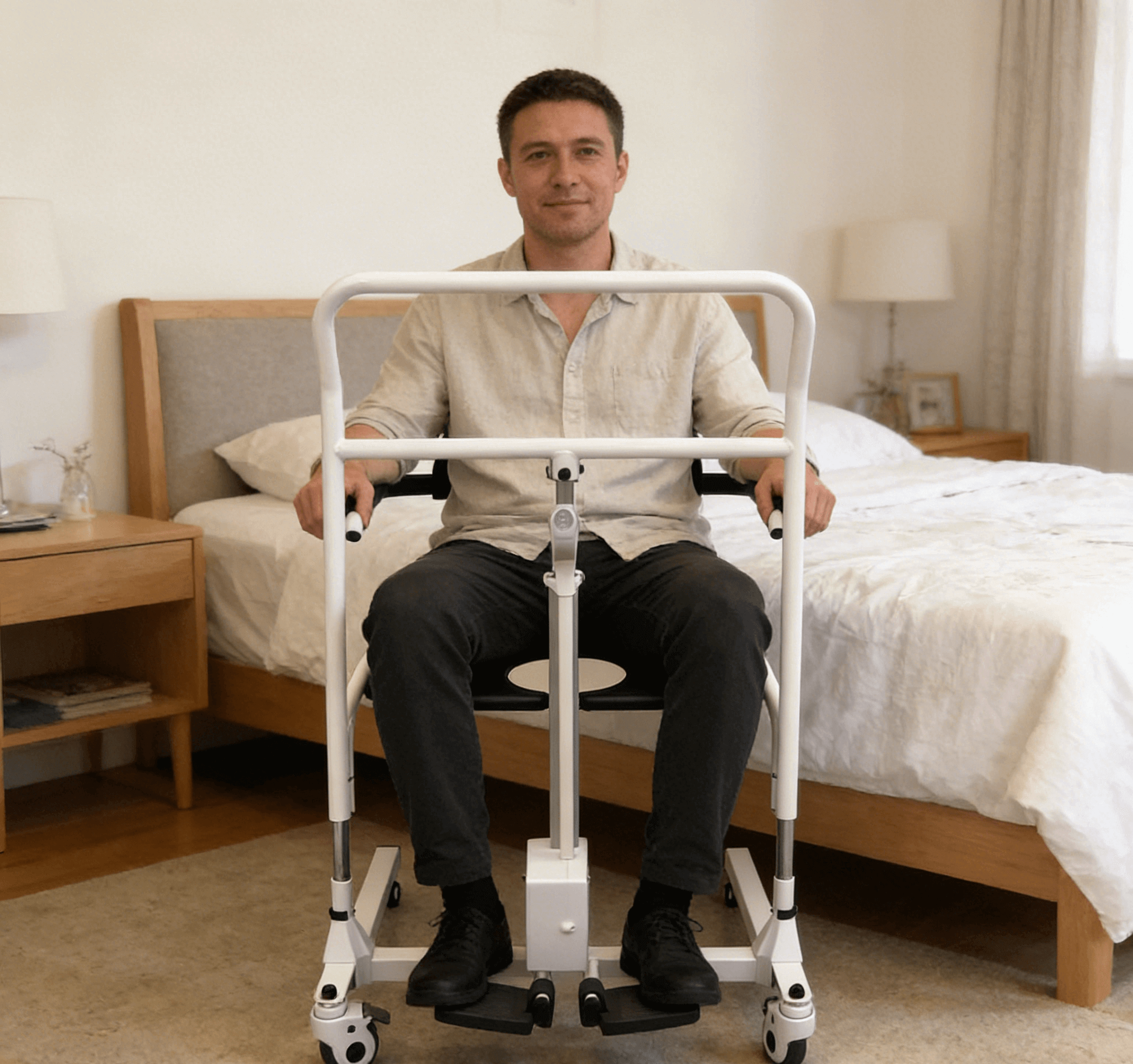
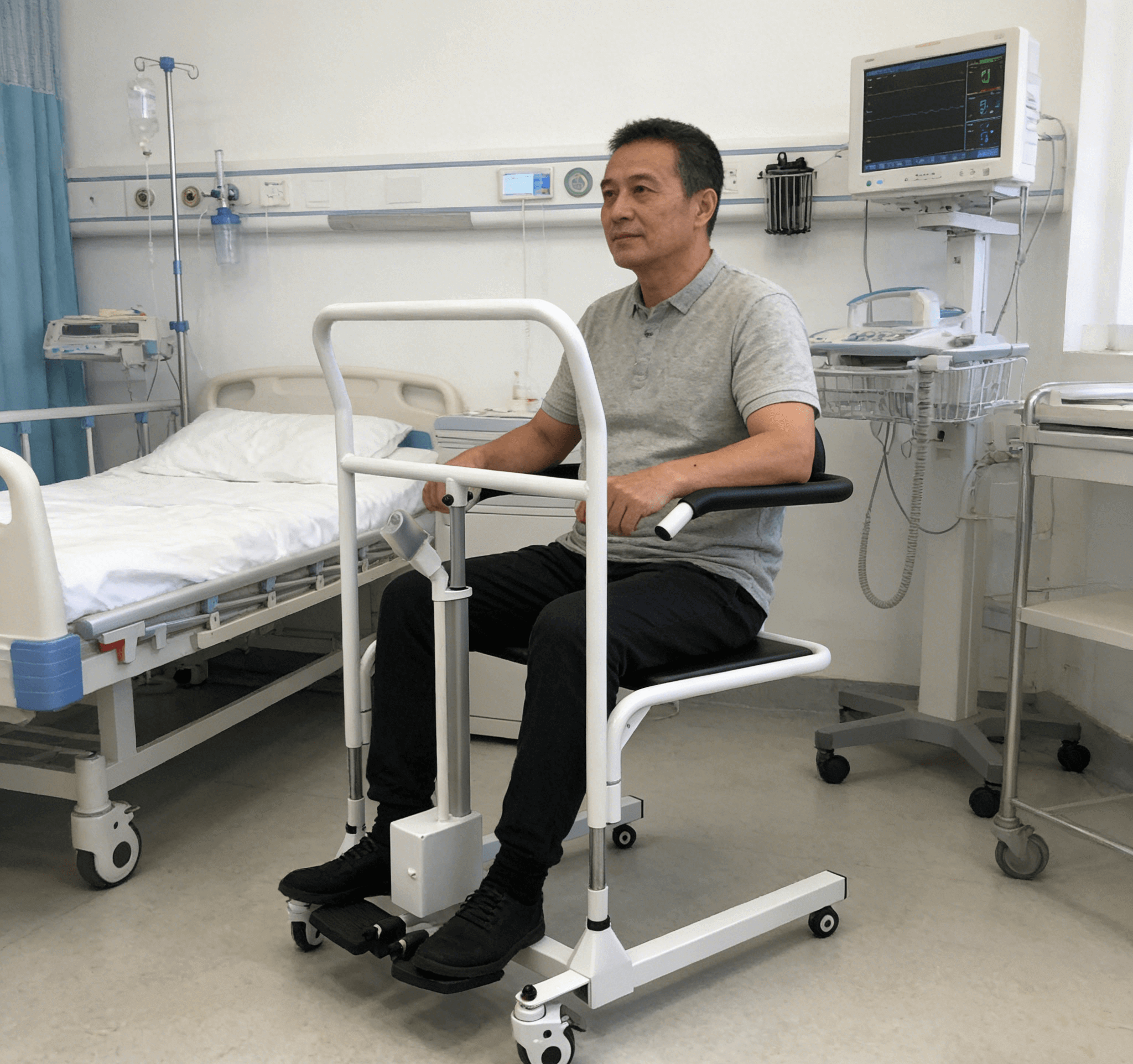
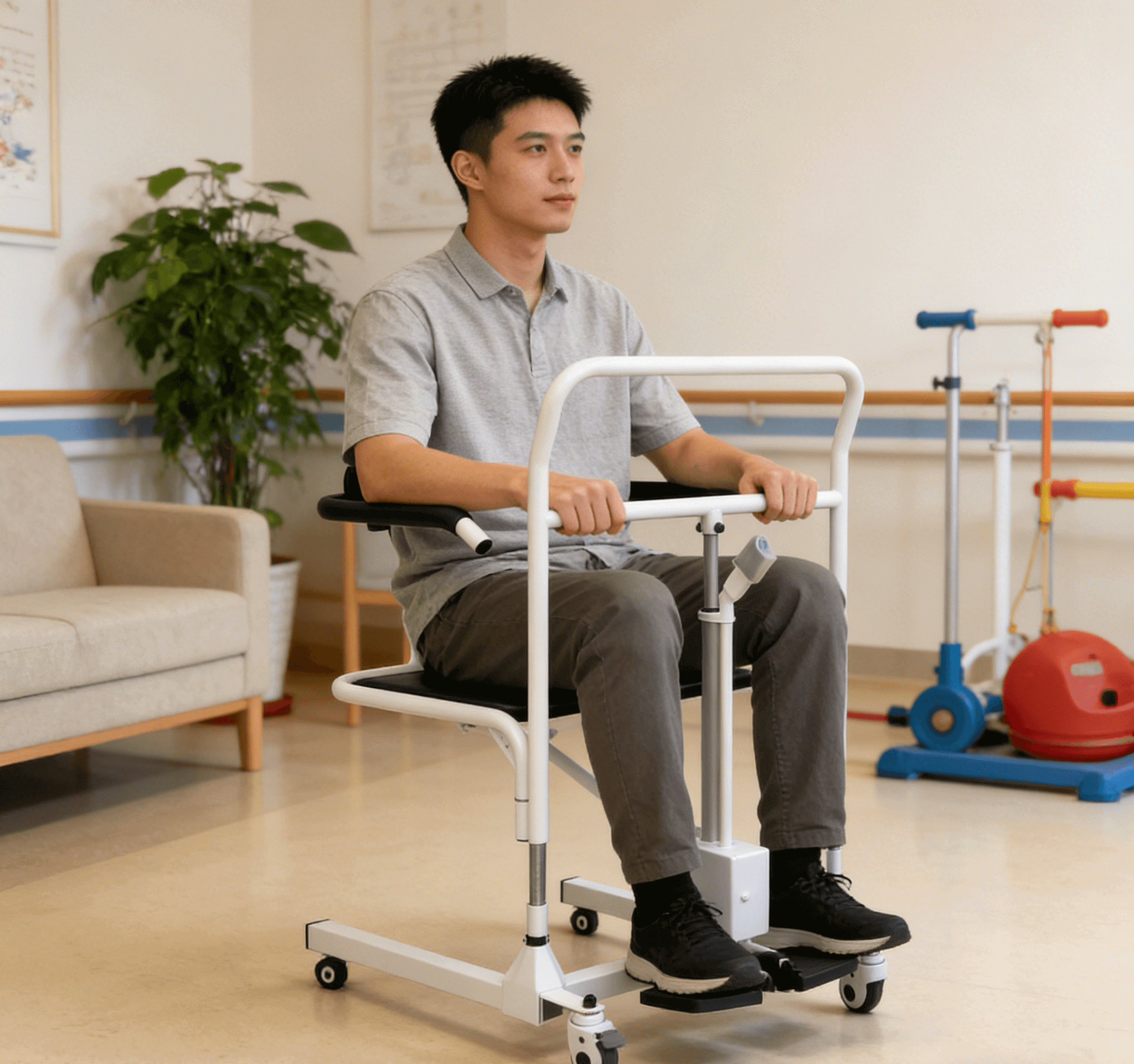
Electric Lifts: Highly recommended for adult care. Operated via buttons, they significantly reduce the caregiver’s workload, provide a smooth and comfortable experience, and are a sustainable long-term choice.
Manual (Hydraulic) Lifts: Rely on the caregiver’s physical strength to operate. They have lower costs but easily cause caregiver fatigue and strain. Only recommended for families with extremely limited budgets and very low usage frequency.
4. Boom and Sling: Keys to Comfort and Support
Boom
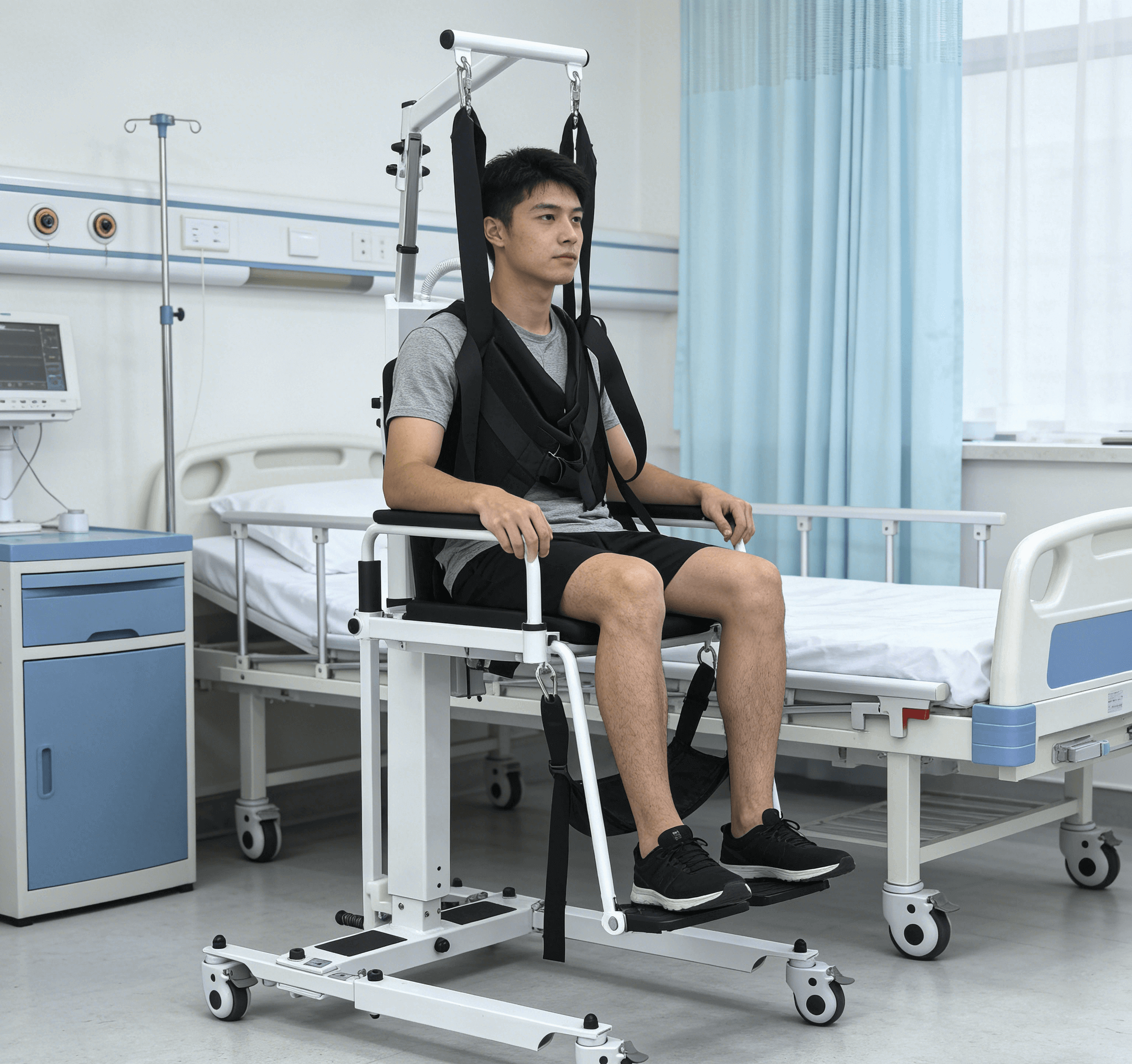
Choose a rotatable boom to easily move the user from the bed to a wheelchair. H-shaped booms provide better stability and weight distribution than I-shaped booms, making them particularly suitable for users with larger body sizes or weak trunk control.
Sling
Size: Must be selected based on the user’s body size. A sling that is too small will be uncomfortable, while one that is too large will be unsafe.
Type: Full-back slings offer maximum support; commode slings facilitate toilet use; slings with headrests are suitable for users with weak neck control.
Leg Straps: Essential for safety for most adult users—especially those with poor trunk control. They prevent the user from slipping out of the sling.
Special Considerations in Adult Care
Psychological and Emotional Support
Using a lift for the first time may make adult users feel a loss of independence and dignity. Communication is crucial:
Always explain each step of the operation to give the user a sense of control.
Emphasize that the lift is a tool to help them participate more in family activities, not a symbol of dependence.
Physical Comfort and Safety
Before lifting, ensure the sling is flat and wrinkle-free to prevent pressure sores.
Adjust the hooks to keep the user in a horizontal, balanced position, avoiding discomfort and fear caused by tilting.
Move slowly and smoothly during operation, avoiding sudden stops or starts.
Caregiver Self-Protection
Adhere to the two-person collaboration principle, especially during the learning phase or when transferring users with complex needs.
Learn to push or pull the equipment using leg strength instead of relying on the lower back.
Receive comprehensive training, including how to operate the emergency manual release valve.
Access and Professional Assessment
Occupational Therapist (OT): Your most important partner. An OT will conduct a home assessment, recommend the most suitable equipment and sling, and provide vital operation training.
Medical Equipment Suppliers: Choose authorized suppliers that offer genuine equipment, professional installation, and training services.
Funding Support: Partial costs may be covered by health insurance, long-term care insurance, or assistive device programs. A doctor’s prescription proving medical necessity is required.
Conclusion
Choosing a Hoyer lift for an adult is a significant decision related to safety, comfort, and quality of life. It is more than just a purchase—it is an investment in a care ecosystem that can significantly improve the quality of life for all involved. By prioritizing weight capacity, choosing an electric model, seeking professional assessment, and focusing on communication and dignity, you can ensure this powerful tool becomes a bridge to a safer and more fulfilling life.